Composition in contemporary jazz often risks treating traditional rhythms as ornamental flourishes rather than foundational architecture. In my recent ensemble scores, ancestral polyrhythms serve as the core structural blueprint, guiding harmonic shifts, phrase lengths, and collective improvisation. By grounding complex meter changes in deep heritage, the music maintains an undeniable physical momentum while stretching harmonic boundaries.
Deconstructing Polyrhythmic Architecture in Modern Scoring
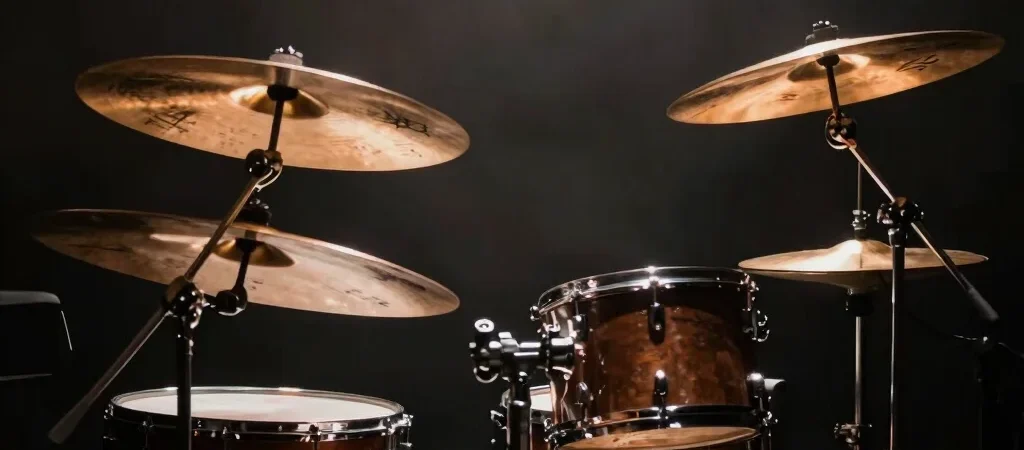
When scoring for a contemporary chamber ensemble, the drum kit becomes far more than a timekeeping instrument. It acts as an orchestrator, setting up counter-rhythms against brass and woodwind lines that challenge traditional balance. Metric modulations are meticulously mapped out so that shifting time signatures feel like a natural evolution of the pulse rather than an academic exercise.
Translating Cultural Heritage for International Stages
Bringing these original compositions to global festival stages requires a clear artistic vision that resonates across cultural borders. Grant evaluators and festival programmers increasingly seek authentic narratives backed by rigorous musicianship. As a Chamber Music America awardee, my goal is to show that honoring historical roots and pushing avant-garde boundaries are complementary pursuits.
Critical Notes for Presenters and Curators
For venue curators and grant panelists evaluating new tour programming, these works offer a compelling balance of high-level intellectual rigor and visceral stage energy. The interplay between pre-composed frameworks and real-time rhythmic conversation ensures that no two concert performances unfold in precisely the same way.